Learning
Our approach to learning
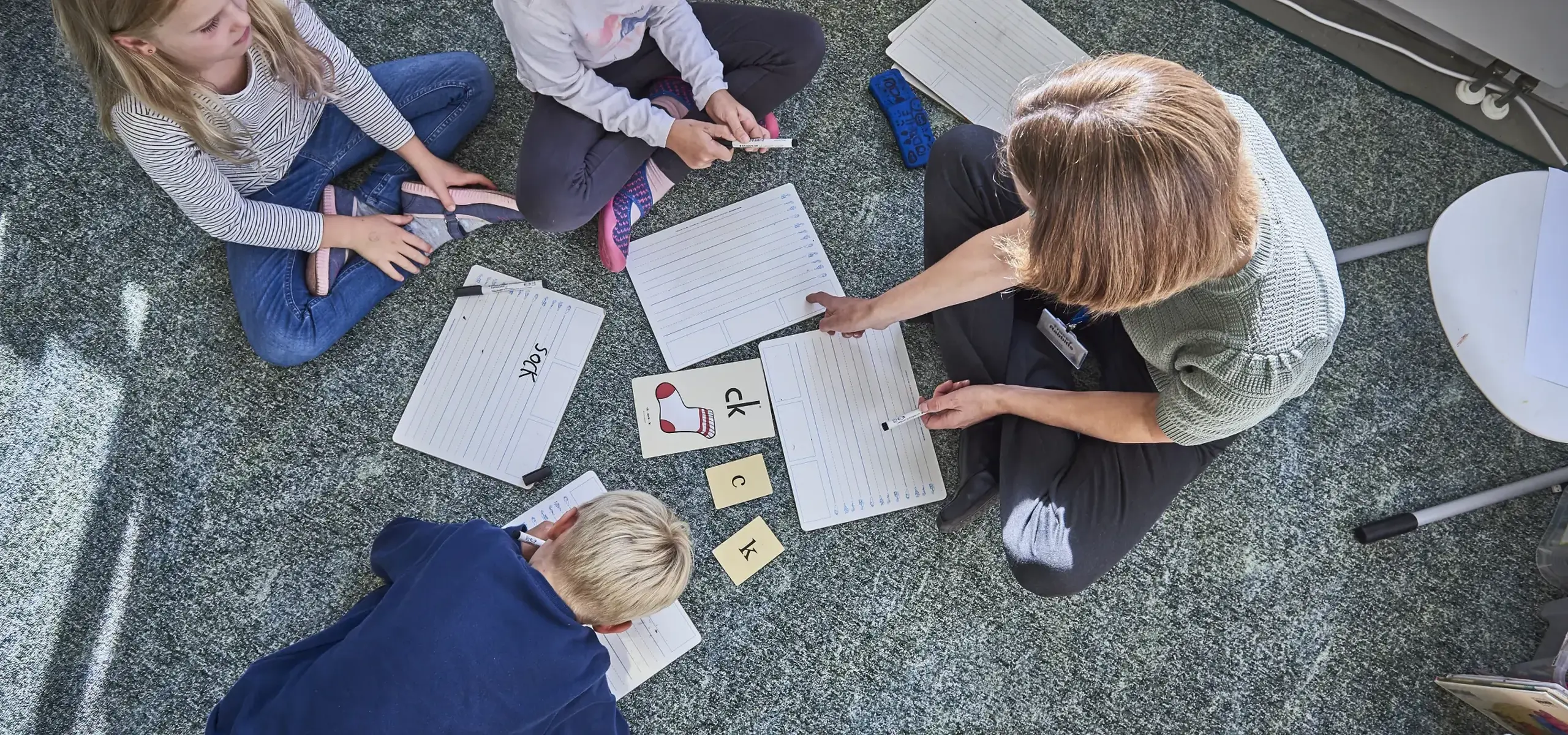
Our aim is to provide a holistic education which recognises that a child’s knowledge and understanding can be measured not only through traditional written tests and assessments, but also in a multitude of other ways. These include oral presentations, collaborative group tasks, artistic and athletic expression, and the use of technology to demonstrate learning.
From the Early Years, to Junior and Secondary School, we offer education for the future global citizens of the world.
Programme and Structure
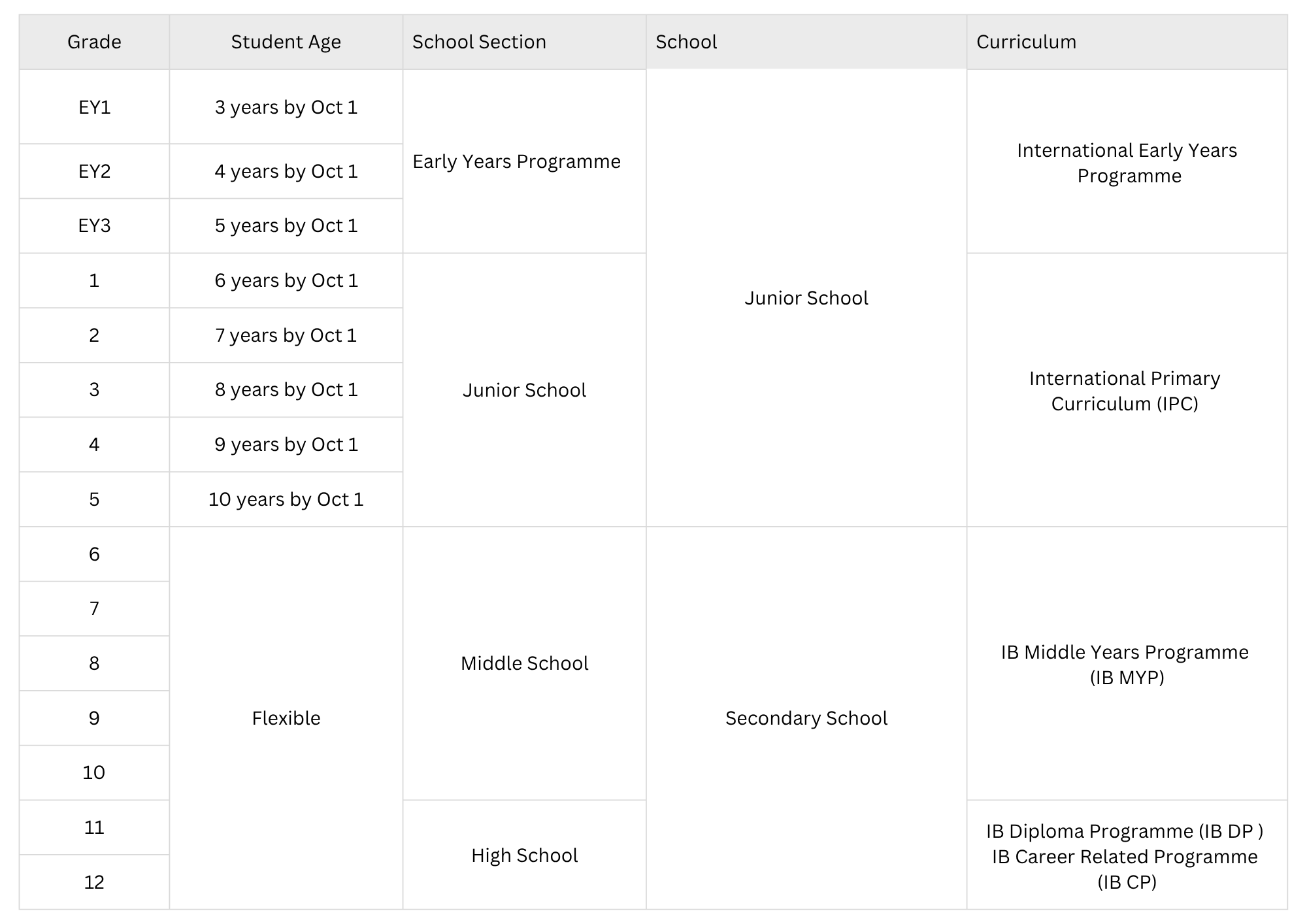
We offer three curriculum frameworks which meet the needs of students across the age groups within the school. While the Early Childhood Centre and Junior School use the International Early Years Programme, International Primary Curriculum (IPC) , Secondary School (grades 6 to 12) is accredited to use the IB Middle Years Programme (MYP), IB Diploma Programme (IB DP) and our Career-related Programme.
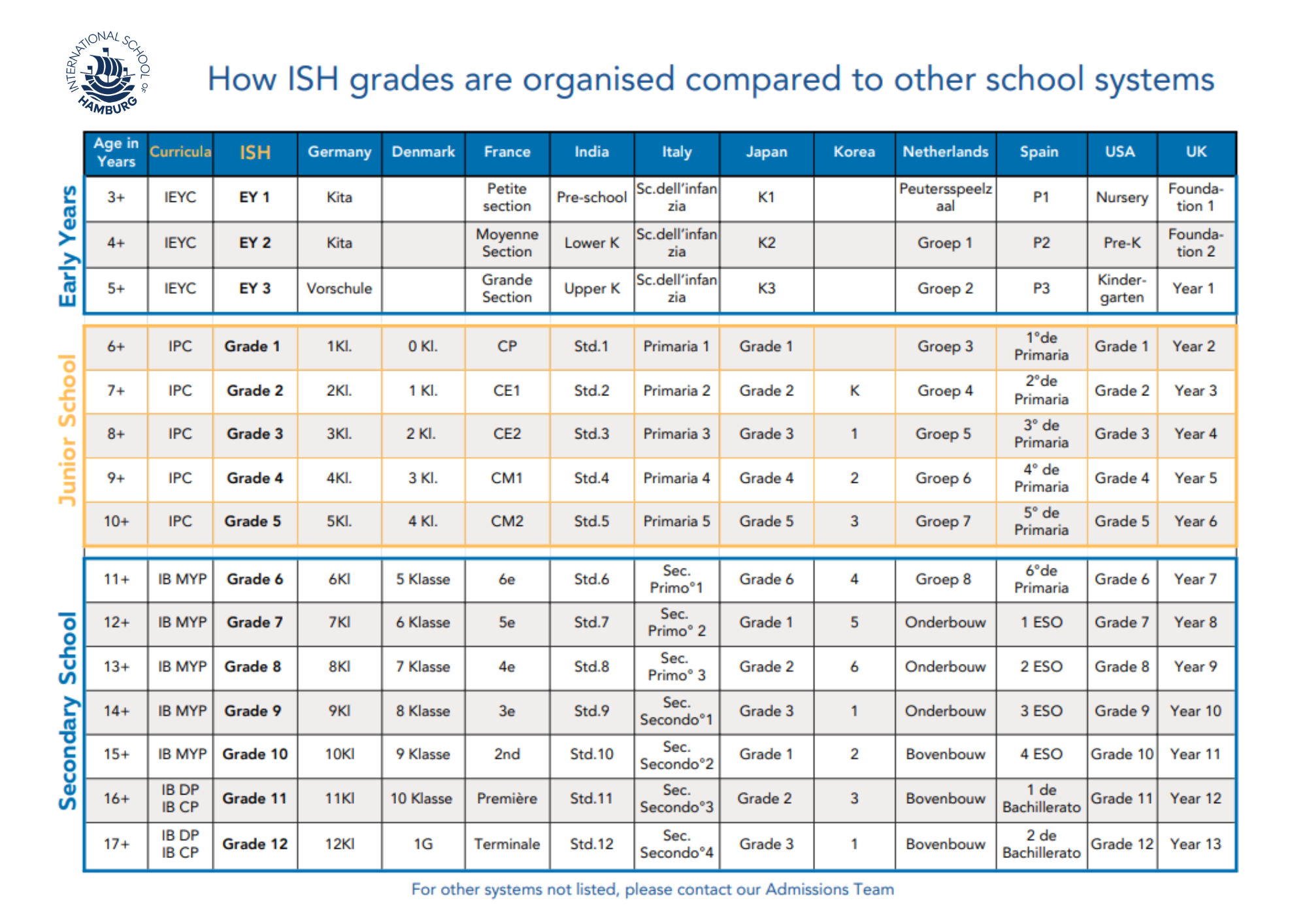
It may be challenging for parents who are transitioning their child from national education systems to an international school like ISH to get used to the new academic structure at first.
The charts below give a general guide for placement equivalencies. Individual class placements are determined by the ISH Administration on a case-by-case basis and according to admissions policies.
For further, in-depth information please visit the school divisions sections of this website and feel free to contact us. We will gladly address any questions you may have.
Our Approach of Teaching and Learning
High quality learning is a process that occurs when students are active and inquisitive life-long learners who become impactful citizens of the world.
| High quality Learning occurs when learners: | High quality Teaching occurs when teachers: |
|
|